





















Nemesio Oseguera Cervantes, known as “El Mencho” and founder of the Jalisco New Generation Cartel (CJNG), was one of the most wanted drug lords in both Mexico and the United States. Under his control, the CJNG became a rampant force in Mexico, wreaking havoc for nearly 20 years until his death on Feb. 22, 2026.
El Mencho’s death triggered nationwide retaliatory violence, and its effects are ongoing. This recent burst of cartel violence has sparked international attention. World leaders, including those of the United States, are questioning if this has become a global security concern.
For Connecticuter Elizabeth Clouse, a routine trip took an unexpected turn that morning.
“We’ve been going there for 30 years, and we have never had any problems in Puerto Vallarta at all. Well, that one morning, my mom and I were going to go to a market in Puerto Vallarta … but we decided to stay and watch the men’s hockey game for the gold medal. If we didn’t stay and watch that, my story would be very different,” Clouse said.
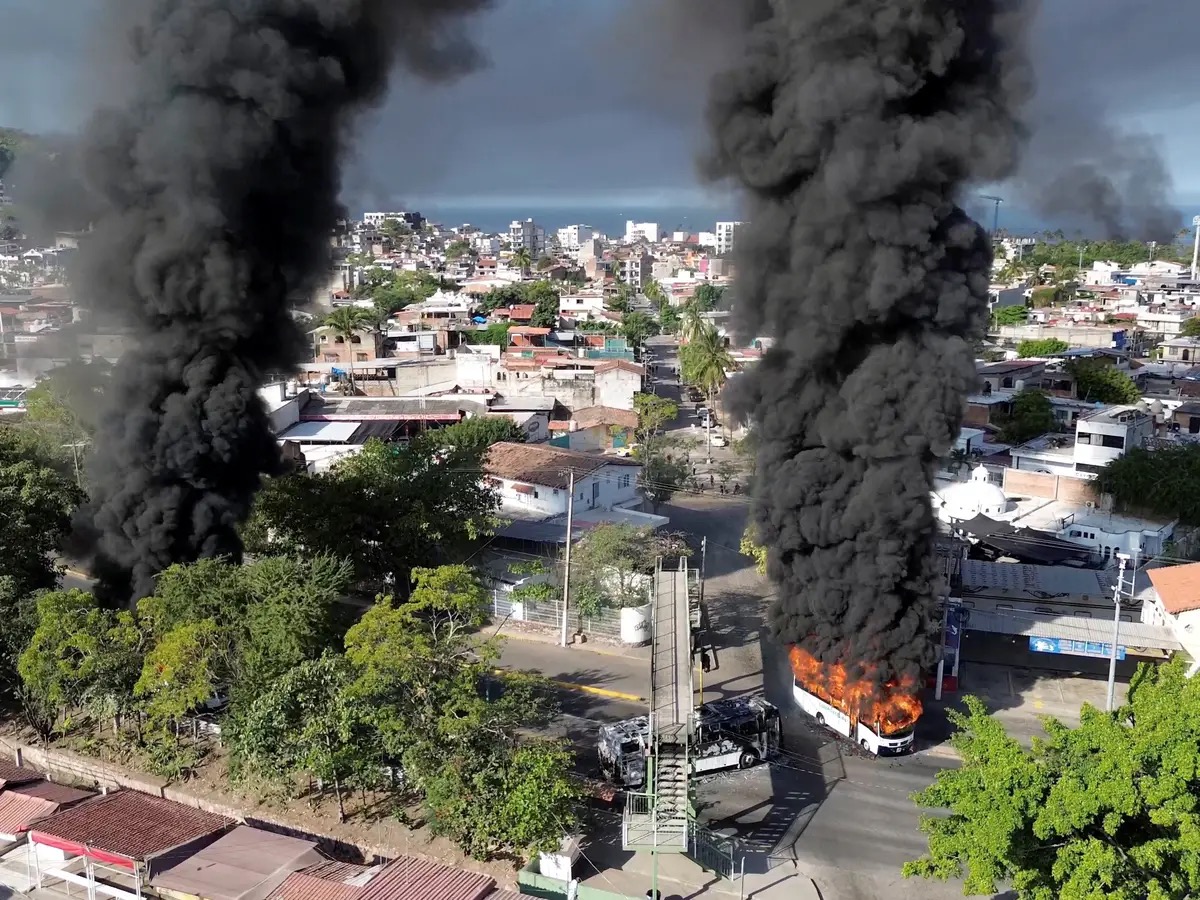
The violence escalated quickly. In only a few minutes, smoke had replaced the once blue sky, and the calm morning silence was swapped for explosions and screams.
“I heard explosions and gunfire, and horns going off. I thought it was maybe the … people during the Olympics, like banging their feet on the stands and cheering. I didn’t know what was really happening,” Clouse said. “Those were the first couple of things where I thought ‘this is not normal’ … Then when I went back into my room and onto my back balcony, overlooking Puerto Vallarta, I saw a lot of smoke and fire and I thought, ‘that’s weird.’”
Throughout the duration of the conflict, it is estimated that over 70 people died, including at least 25 members of the Mexican National Guard. Many cities experienced shutdowns, and airports faced travel disruptions.
“Our resort was on lockdown, so nobody could come or go, including the workers there … my mom and I wanted to leave the resort but they said, ‘you can’t,’” Clouse said. “We were in a very safe area, but we could still hear the cars exploding and we could still hear gunfire … and prolonged car horn honks, and then eventually, explosions from cars that exploded because of the gasoline.”
After the initial attacks, clean-up and restoration efforts were fast and efficient. Roads were cleared within a few days, and flights to the city resumed that week. Today, the environment is stable but not relaxed, as security is on high alert and thousands of officers are deployed.
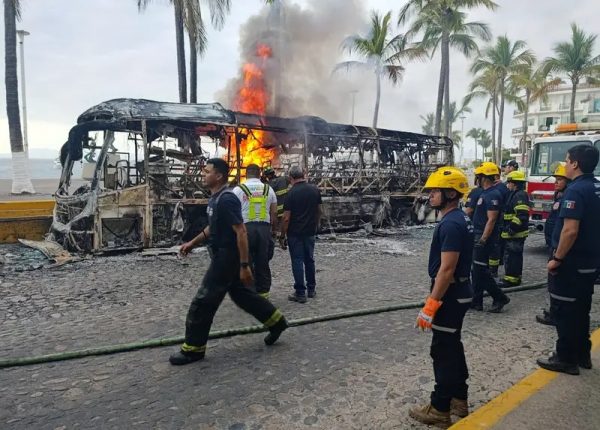
“What the cartel did is they probably had 50 or 60 cartel members on motorcycles, and what they would do is they would surround a car on the highway or a truck or a bus and they would force everyone out of the car at gunpoint and say, ‘go away,’” Clouse said. “Then they would take the cars or buses or trucks and create a roadblock and then set the cars and trucks and fire, and the reason why they did that is because they didn’t want the Mexican military to get through those roadblocks to stop what they were doing.”
While places like Puerto Vallarta, Cancún and Mexico City rely on tourism, the CJNG has disrupted daily lives there beyond traditional conflict zones.
“They burnt down OXXOs, and that’s like a convenience store [chain], and the reason they did that is because they didn’t pay bribes to the cartel to protect their establishments. The OXXOs are very important to Mexicans and expatriates because … 51% of Mexicans do not have a traditional bank account. And OXXOs do a lot of processing of money, so burning down those stores really froze the economy for a while because they weren’t able to pay rent, send money to their family or receive money from their family, or from the Mexican workers who work so hard in our nation,” Clouse said.