






































(Content warning: Heated Rivalry contains depictions of nudity and sexually explicit scenes, as well as frequent profanity, and strong themes of mental health)
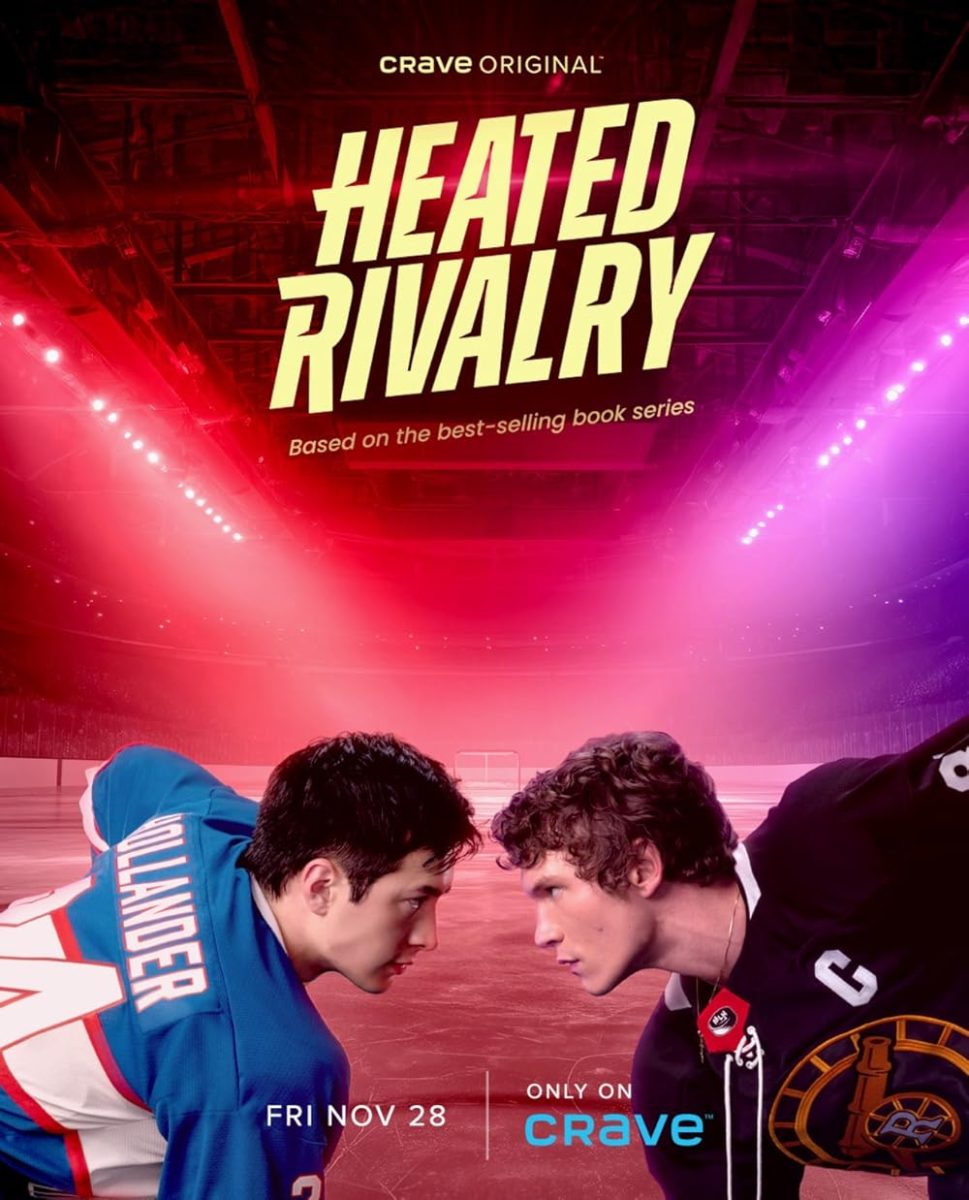
From romance book clubs, to avid sports fans, it’s been nearly impossible as of late to avoid HBO’s new show, “Heated Rivalry.” In late November of 2025, HBO began airing a TV adaptation of Rachel Reid’s bestselling novel of the same name. Reid’s novel centers around the relationship between the Canadian and Russian hockey players Shane Hollander and Ilya Rozanov (Hudson Williams and Connor Storrie). The show has grown massively in popularity over the past month, with people of all backgrounds, genders and sexualities being deeply invested in the characters.
Although the show stopped airing in December, it’s rapidly increasing in popularity even now.
Heated Rivalry leads Connor Storrie and Hudson Williams presented an award at the Golden Globes in early January and were honored by bearing the Olympic torch in Italy following the success of the show. The show has already been greenlit for another two seasons, one based on the sequel “The Long Game” and the other on Reid’s highly anticipated upcoming book “Unrivaled.”
I feel that what helps the show connect with so many people is the way it portrays queer characters and relationships. It helps showcase the more serious side of queer media and fight off traditional backlash in sports and gay stereotypes that are overused in TV. Oftentimes, queer characters are used as comedic relief, or a smaller sub-plot in someone else’s story. “Heated Rivalry” shines a light on queer relationships, focusing on them in their entirety and treating them like regular characters.
While it has gained mass popularity with a wide variety of people, the show has specifically resonated with queer athletes, many of whom felt for a long time that being queer in their respective sports was something to be ashamed of or hide. The show has helped people feel more comfortable with being queer athletes, and surprisingly has amplified support of the LGBTQ+ among sports, specifically from hockey fans. SeatGeek reports that “Heated Rivalry” has brought a 23% increase in National Hockey League (NHL) ticket sales, and fans of the show have (for the most part) been welcomed with open arms.
Overall, Heated Rivalry is a vulnerable representation of gay relationships and how they are often made to feel like it’s something they need to hide. The characters learn to accept each other as people, but more importantly, they learn to accept themselves and find confidence within each other. “Heated Rivalry” has become mainstream in a way that most queer media hasn’t been able to in the past, and, with luck, will open the door for similar stories to be told in the future, and for inclusivity in the sports world.