








































The Ports: The most direct impact the tariffs will have on the Lowcountry’s industry is through the ports, with a 6% drop when comparing container counts between June of this fiscal year and last. Further, the number of containers with goods fell by 7.5% year-over-year. When taking in the wider view, overall, U.S. ports have been forecasted a 5.6% decline year-over-year in imported cargo by the National Retail Federation and Hackett Associates. The Ports Authority and Security Terminals employ around 6,000 state residents, and according to the Port Authority’s official website, had an economic impact of $87 billion in 2023 alone. Half of the ports’ trade either originates or has a major stop in China, so the current 57% U.S. tariff on Chinese goods will continue to have ramifications for the price and quantity of goods flowing through the South Carolina Ports Authority.
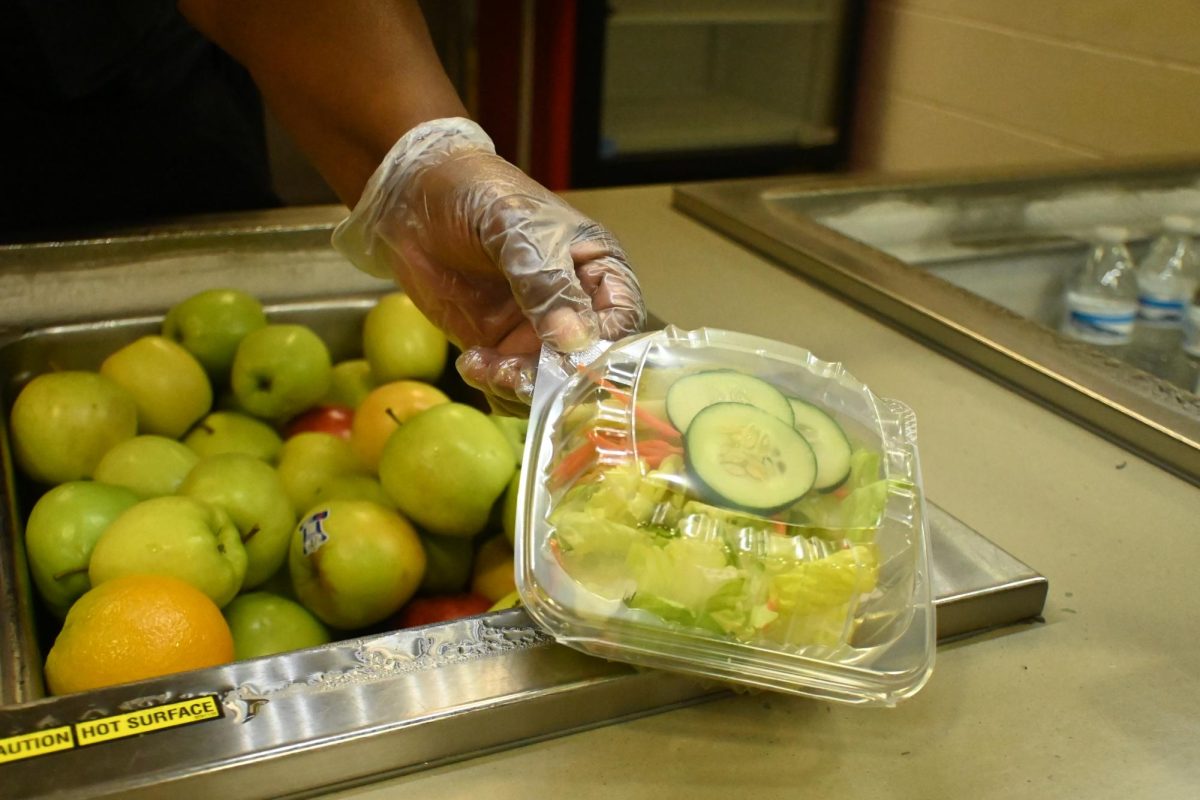
Groceries: Grocery prices have been a centerpoint for many recent presidential and congressional election campaigns, with 96% of voters in the 2024 election stating that high prices for gas, groceries and other goods factored into their vote. Further, it topped multiple exit and entry polls as a top concern for voters. Tariffs have only caused prices to increase, with the USDA Economic Research Service reporting that the Consumer Price Index for food increased by 3% year-over-year in June, meaning that prices increased by 3% overall. Much of the U.S.’ imported groceries and fresh foods, like fruits and vegetables, are imported from Mexico—which is currently under 25-50% percent tariffs, causing local grocery prices to increase. Prices for beef have increased by around 10% year-over-year, whereas other products like bread are holding steady at relative equivalence to last year’s prices.
Local Businesses: One of the largest employers within the South Carolina labor force is the automotive industry, which relies largely on foreign manufacturing parts and resources; needed to produce the vehicles. With decreased growth certainty in the future alongside the growing prices of these materials as a result of tariffs against major automotive manufacturers like China, Canada and Mexico, layoffs have become inevitable. For example, a Volvo plant in Berkeley County announced a 100-worker layoff as a result of “challenging macro-conditions.” Additionally, any other manufacturer who uses metals like steel or aluminum will face increasing prices on these resources, as they are a centerpoint of tariffs, with steel having the highest tariff rate, at 50%, from Mexico. Most consumer goods will increase slightly in price over the next two quarters as new products from foreign producers begin to rotate into stock. These products will have higher prices due to the tariffs, which cause the cost to increase for the business importing and later finally selling the products.
Uncertainty: The declaration and removal process of new tariffs has been relatively erratic, with tariff rates as high as 100% being proposed and then decided against days later, causing accurate forecasting of both the future prices and number of shipments to the South Carolina Ports Authority to be often inaccurate. Experts are unable to as accurately predict the impacts of tariffs, only the potential impacts of the uncertainty caused by them, “making the task increasingly difficult,” according to Rutgers School of Public Planning and Policy. Uncertainty surrounding tariffs has only grown for small and medium sized businesses, according to a survey by the Federal Reserve Bank of Boston, uncertainty has increased from seven percentage points in December, on a scale from zero to 20 points, to roughly 13 in April. This causes a decreased willingness to invest, slowdowns in hiring and decreased growth, all culminating in market uncertainty, according to The Pew Research Center