



















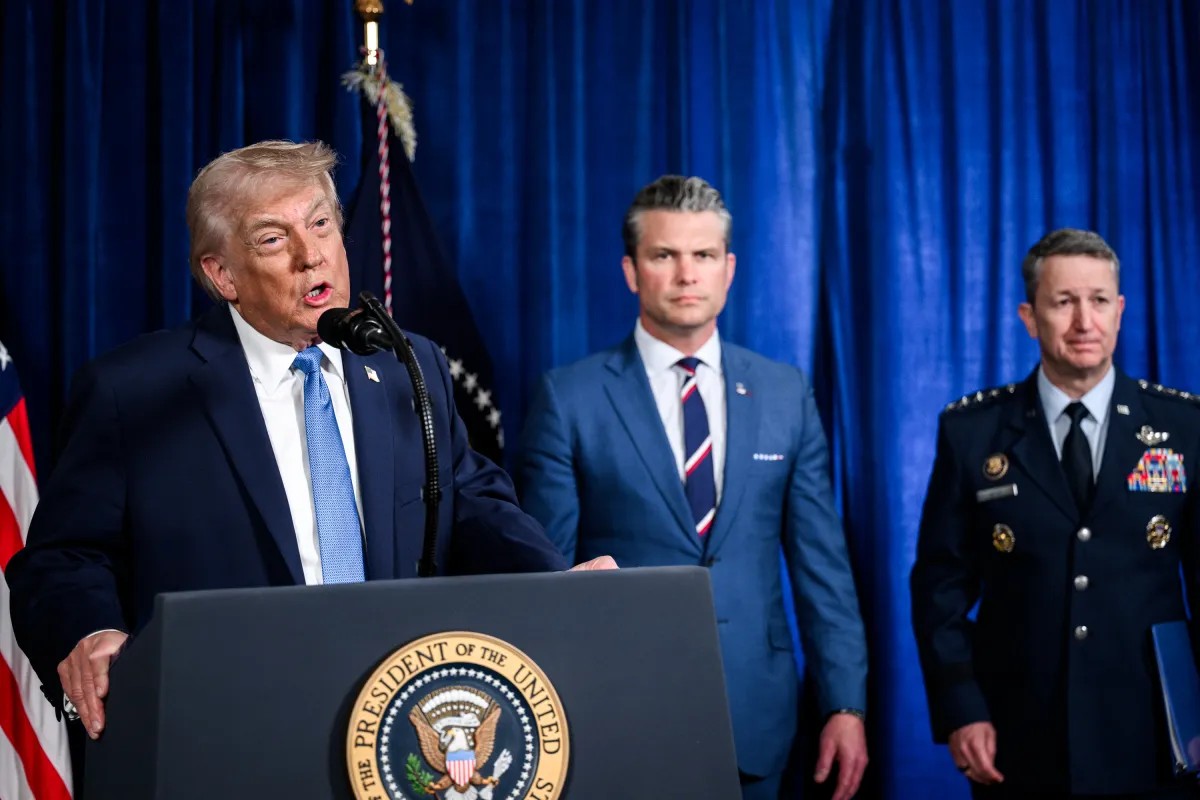
The relationship between the United States and Venezuela has been tense the past few years; however, the recent actions by the United States have exacerbated the situation entirely. Since President Donald Trump returned to office in January 2025, he has reversed the policy of his predecessor, Joe Biden, regarding the Venezuelan president Nicolás Maduro. Although recent events have shook the roots of distrust, there has been tension between the two states since former Venezuelan president Hugo Chávez’s rise to power in the late 90s.
The recent timeline of events has moved quickly ever since both Trump and Maduro were sworn into office in January of 2025, Trump for his second term and Maduro for his third. When Maduro was sworn in, however, the United States rejected his presidency, claiming fraud.
Before the large-scale strike by the United States, the Trump administration had been paving the way for violence on Venezuelan grounds. On Jan. 20, 2026, Trump signed an executive order to call drug cartels and criminal organizations “foreign terrorist organizations,” which included the Venezuelan street gang, Tren de Aragua.
In February of 2025, Trump formally administered eight Latin American crime organizations as foreign terrorist organizations. In the past, this name has been reserved for groups such as Al-Qaida, and groups that use violence in politics, not crime organizations that are profit-focused.
Trump had long threatened his power of military strikes on Venezuelan territory. With months of attacks on boats allegedly carrying drugs on board, Maduro stated that the military action from the United States was an effort to push Maduro out of power.
On Saturday, Jan. 3, 2026, the United States conducted a large-scale attack against Venezuela. Maduro, and his wife, Cilia Flores, were taken from their home on a military base, and were forced aboard a warship belonging to the United States, where they faced criminal charges in New York. An indictment specifically accused them of playing roles in a narco-terrorism conspiracy.
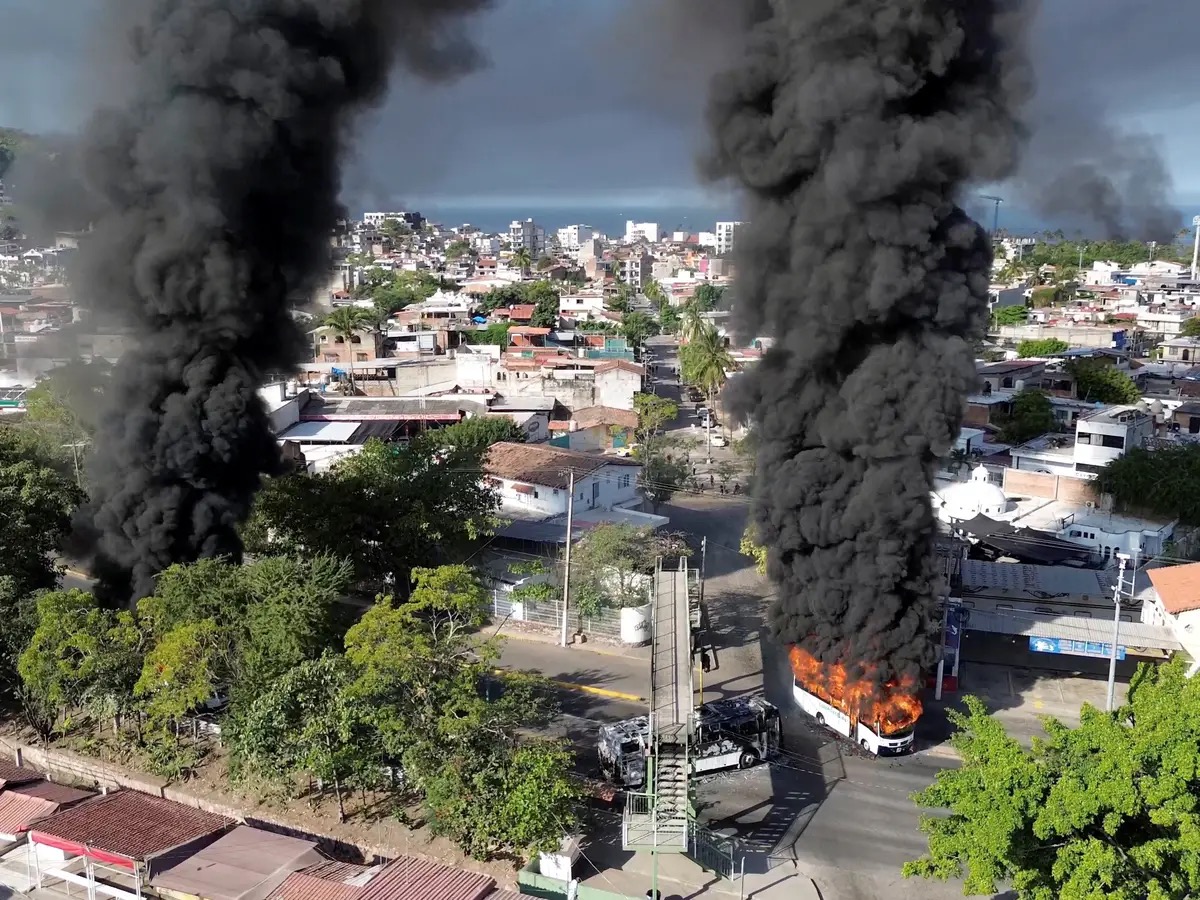
The Venezuelan government used the term “imperialist attack” for the event, and urged citizens to take to the streets. Before the capture of Maduro and Flores, there had been 35 known strikes against Venezuelan boats allegedly smuggling drugs in South American waters. These attacks have killed at least 115 people, according to PBS News.
The White House stated that Washington was in “armed conflict” with drug cartels to halt the flow of narcotics into the United States, and U.S. officials state that Maduro actually supported the international drug trade.
After the capture of Maduro and his wife, the former Vice President of Venezuela, Delcy Rodríguez, was sworn in as the interim president. According to Al Jazeera, Maduro has pleaded not guilty to the charges he is facing. The U.S. also has plans to run Venezuela temporarily, which created international debate over the sovereignty of Venezuela and the power of the U.S.